

Madhav suggests that Modi’s remarks have possibly rattled the dissenters against this oppressive regime. That is a wrong reading of the situation. Because the youth of the country is totally ready and prepared to embrace the “Dimagi Naxal” epithet.
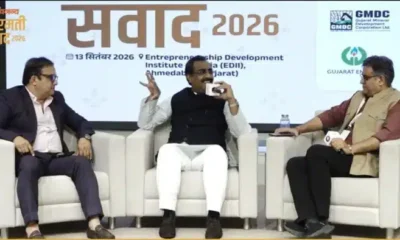
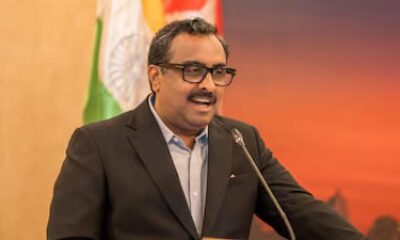
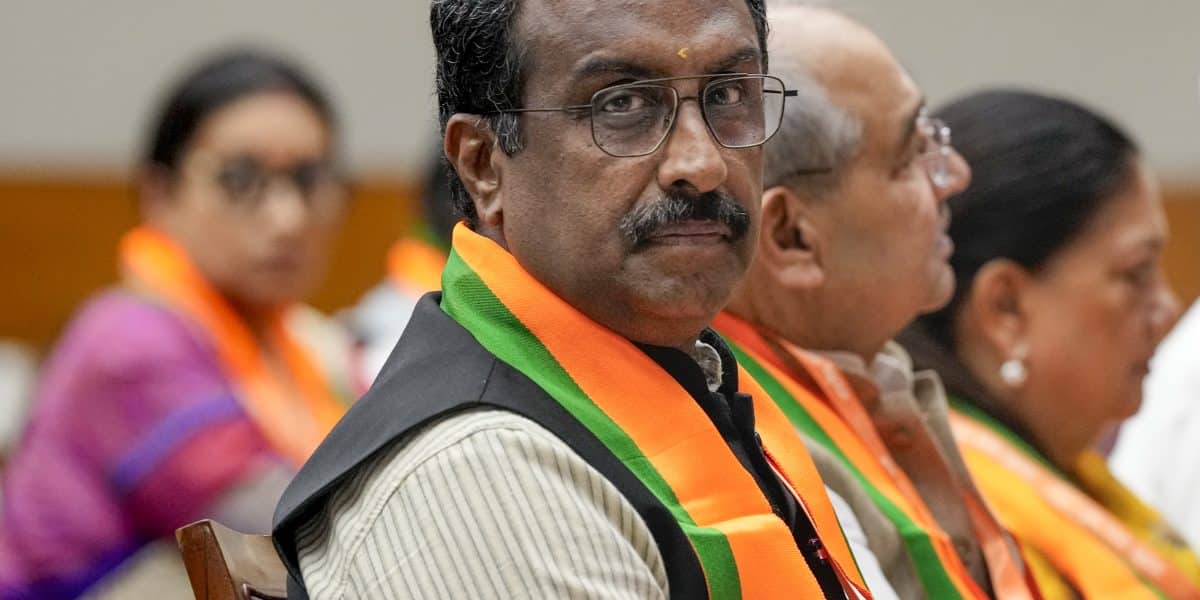
In a party reshuffle, Rashtriya Swayamsevak Sangh (RSS) ideologue Ram Madhav was recently appointed national vice president of the Bharatiya Janata Party (BJP) after being made to wait on the margins for some years in the Narendra Modi-Amit Shah dispensation. The timing of Madhav being formally rehabilitated is itself instructive.
It coincided with the brutal take down of Modi’s strongman image by the youth of India protesting the broken education system across the nation. Madhav’s appointment came just two days after Prime Minister Modi’s August 15 address from Red Fort in which he placed the “Dimagi Naxal” proposition before the nation.
The prime minister’s invocation of “Dimagi Naxal” was expectedly met with derision and another barrage of memes and reels on social media by the GenZ. Many opposition leaders happily embraced BJP’s new coinage which is merely a variation of the term “urban naxal” which has no formal existence as per a parliament reply some years ago.
On March 11, 2020, the Minister of State for Home Affairs, G. Kishan Reddy, answered a written question in the Rajya Sabha stating that “the phrase ‘Urban Naxals’ is not used by the Ministry of Home Affairs.”
In all likelihood the Modi government may offer a similar reply in parliament in the future saying “Dimagi Naxal” does not exist in official records. By now we very well know that the RSS operates most efficiently when things don’t exist in the official record books! RSS’s own hydra headed organisation structure with hundreds of smaller shadowy outfits defy official existence.
Therefore one is not surprised that Madhav, after his rehabilitation, has added to the “Dimagi Naxal” discourse by writing an op-ed in The Indian Express (August 29) titled “Do we really need a definition for ‘Dimagi Naxal’?” After all, things must have a life of their own without being defined.
He says, “PM Modi has an enviable knack of getting under the skin of his adversaries.” Modi’s Dimagi Naxal invocation has become a proverbial cat among the pigeons, Madhav writes. In this regard he cited the response of former home minister P. Chidambaram, “Iam a proud Dimagi Naxal” and a statement by the Editors Guild of India protesting the portrayal of some senior journalists as “Dimagi Naxal”.
Madhav then makes light of the matter saying such “polemics can be harmless and enjoyable”. In the past too, terms like “urban naxal” and “khan market gang” were invoked, he says. Incidentally, Madhav was known to have been a regular at Khan Market with his own gang.
One can detect Madhav trying to play down or normalise Modi’s remarks by suggesting that even the United Progressive Alliance (UPA) had such apprehensions about urban intellectual support to Maoists.
Madhav is trying to make a clever argument which does not hold water when one simply looks at the unprecedented criminalisation of dissent under the Modi regime. There is enough data to show the sheer scale on which the government has let loose police and enforcement agency dogs on opposition leaders, NGOs, media outfits, activists and businessmen who didn’t fall in line.
The terms “Urban Naxal”, “Lutyens Gang” and now “Dimagi Naxal” are all part of the Hindutva right wing play book alluding to the left-of-centre/Nehruvian consensus which dominated the discourse for decades since independence. Veteran BJP leader and former party president Murli Manohar Joshi once told me the Left and socialists may be marginalised in the formal electoral power structures but their thought process and overall hold over the psyche of Indian society will not go away. This admission by Joshi might suggest that the “Dimagi Naxal” spirit of our polity is embedded in the DNA of the vast majority of Indians.
All big political movements for change were possibly catalysed by the same spirit which Prime Minister Modi wants to eliminate. Lok Nayak Jayaprakash Narayan who led one of the biggest youth movements in North India could easily be categorised as a “Dimagi Naxal” going by its present day definition. He committed the biggest “anti national” act by calling for the police and army to revolt against the oppressive Indian state before the Emergency was imposed.
Going by today’s level of intolerance of democratic dissent, JP would have been slapped with provisions of UAPA, NSA, sedition and left to rot in jail without a trial. Many ministers in the present government and BJP leaders were followers of J.P. but have developed political amnesia over the past decade.
Madhav will do well to advise his leaders to eschew their ideological play book whose expiry date was announced by the Gen Z, X and Alpha movement which is still carrying on in a decentralised format in various pockets of the country. This communal and ultranationalist play book has been repeatedly employed for 12 years now and it is sounding very tired and jaded.
Madhav suggests that Modi’s remarks have possibly rattled the dissenters against this oppressive regime. That is a wrong reading of the situation. Because the youth of the country is totally ready and prepared to embrace the “Dimagi Naxal” epithet. The BJP may even test this proposition by employing its considerable resources to get a reasonably accurate feedback on what the young in the age group of 16 to 30 are thinking today. They are worried about their future and have no time for the Hindutva nationalist agenda which vaguely promises Amrit Kaal and Viksit Bharat in 2047.
It was Madhav who wrote a piece in IE just a day after the thumping 2019 Lok Sabha election victory in which he said,”The Khan Market cacophony of pseudo-secular/liberal cartels held a disproportionate sway and stranglehold over the intellectual and policy establishment of the country. Under Modi-II, the remnants of that cartel need to be discarded from the country’s academic, cultural and intellectual landscape.”
Shades of “Dimagi Naxal” there? One can reasonably argue now that the idea of purging dissent has been around for quite long and the polity and society have reached a point of exhaustion. The sheer defiance of the youth reflects this exasperation. Ram Madhav, in his freshly minted role, should be the first to appreciate this.
Source: Thewire
Read Original Article → Ram Madhav Is Back But BJP’s ‘Dimagi Naxal’ Playbook Has Expired – The Wire