

(The article was originally published in Indian Express as a part of Dr Ram Madhav’s column titled Ram Rajya on July 11, 2026. Views expressed are personal.)
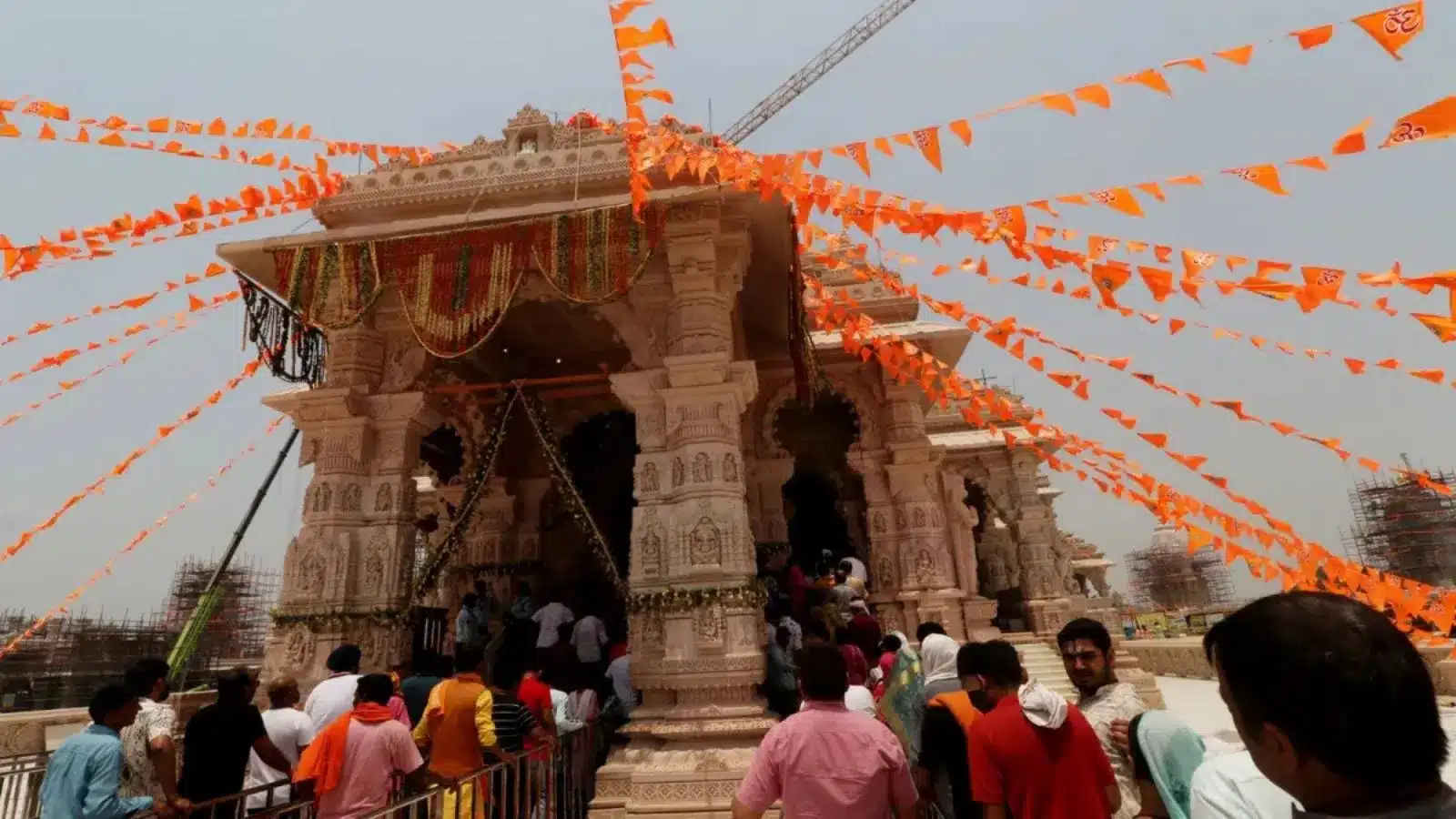
Controversy surrounding the theft of offerings by some staff members of the Ram Janmabhoomi Temple at Ayodhya disturbed every right-thinking person in the country. Temples are sacred spaces and the offerings at those temples are not just donations but the personal bonds between the deity and the devotee. Moreover, unlike other temples in the country, the temple at Ayodhya has a special place in the hearts of crores of Indians given the 500-year-long struggle that preceded its restoration. That intense emotional attachment of a billion Indians with the Ram Temple, manifested in the grand celebrations witnessed during the consecration ceremony on January 22, 2024, also led to greater anguish over the news of theft of the offerings by the devotees.
Popular disconcert has another reason too. The temple is being managed by persons connected with the Sangh Parivar which enjoys an unblemished record of integrity, probity and discipline. In fact, many offerings in the form of cash and kind happen at Ayodhya because of the trust that people repose in the Sangh Parivar too. It is the breakdown of that trust, caused by the unfortunate happenings, that compounded the resentment of the people.
The Parivar leadership understood the severity of public resentment over the unfortunate happenings. Dattatreya Hosabale, the general secretary of the RSS, issued a strongly worded statement calling for severe punishment to those found guilty in this embezzlement. He also called upon the temple trust to ensure “proper financial management, flawless and transparent operational systems, and an atmosphere imbued with purity, sanctity and true dharmikata”.
On its part, the Shri Ram Janmabhoomi Teertha Kshetra Trust (SRJTKT), the body of saints and eminent citizens entrusted with the management of the temple, acted swiftly by taking necessary steps including handing over the investigation to an Uttar Pradesh Government constituted Special Investigation Team (SIT). The SIT has arrested a number of accused and also spoke to some of the senior functionaries of the Trust including its now-resigned general secretary Champat Rai. The Trust, in its meeting earlier this week, accepted the resignation of the two important functionaries – Champat Rai and Anil Mishra – who were responsible for overseeing the day-to-day functioning of the temple affairs.
The RSS is not a registered trust, but its mammoth institutional structure runs completely on the principle of mutual trust and confidence among its functionaries. The SRJTK Trust is a registered trust, yet it needed professional system in place to run the temple. The RSS functionaries, involved in managing the Ayodhya temple, seemed to have naively followed the RSS principle of trust alone. That their trust had been breached by some people must have come as a rude shock and crucial lesson to all of them. Functionaries like Champat Rai and Anil Mishra, who rightly took the onus for the mishap on them and resigned, are essentially honest and transparent leaders. To blame them of any kind of dishonesty or ill-intention will be unfair. Their failure lied not in their personal integrity but in their professional misjudgement of people and practises.
Ram Temple at Ayodhya attracts around two million people every month. In that sense, it is as popular as other prominent temples like Tirupati and Vaishno Devi, which have developed efficient systems for crowd management, counting of offerings and pilgrim amenities. Ram Temple Trust should have put similar systems in place from the beginning. It now decided that an executive officer would be appointed with sufficient powers to bring in order, transparency and professionalism in the functioning of the temple.
However, it must be borne in mind that even the best systems won’t ensure complete scrutiny. The best managed temples like Tirupati faced complaints of embezzlement by staff, thefts in temple offerings and snatching of offerings out of donation boxes during peak hours. Some of these cases are being investigated by the CBI too. When such instances happen, the culprits are blamed and punished, but not the TTD Trust. When burglars break in, owners are not punished. Same should apply to Ram Temple Trust functionaries too, except demanding corrective measures.
Temples like Tirupati and Vaishno Devi, are managed by government-controlled trusts. But the Ayodhya temple is managed completely by an independent trust. The Sangh and affiliates like the VHP always demanded that Hindu temples must be freed from government control and handed over to the saints and eminent citizens of the country. Ayodhya temple was showcased as an example of the same. The happenings at the temple should not result in denying the right of the Hindus to administer their religious places. Instead, this is the best opportunity to develop a model by which the Hindus would continue to enjoy their right while the governments may also play a limited role of oversight to ensure probity and order.